Student Publication Association National Conference 2026
The Student Publication Association’s 2026 National Conference will be held in Norwich!
Our annual conference is a weekend packed full of journalism talks, workshops, networking and awards, and we can’t wait to bring it to the East of England for the first time.
#SPANC26 will be hosted from 27th - 29th March by Concrete, the University of East Anglia’s student newspaper. More details on tickets will follow in the new year, but for now you can register to be notified when tickets go on sale.
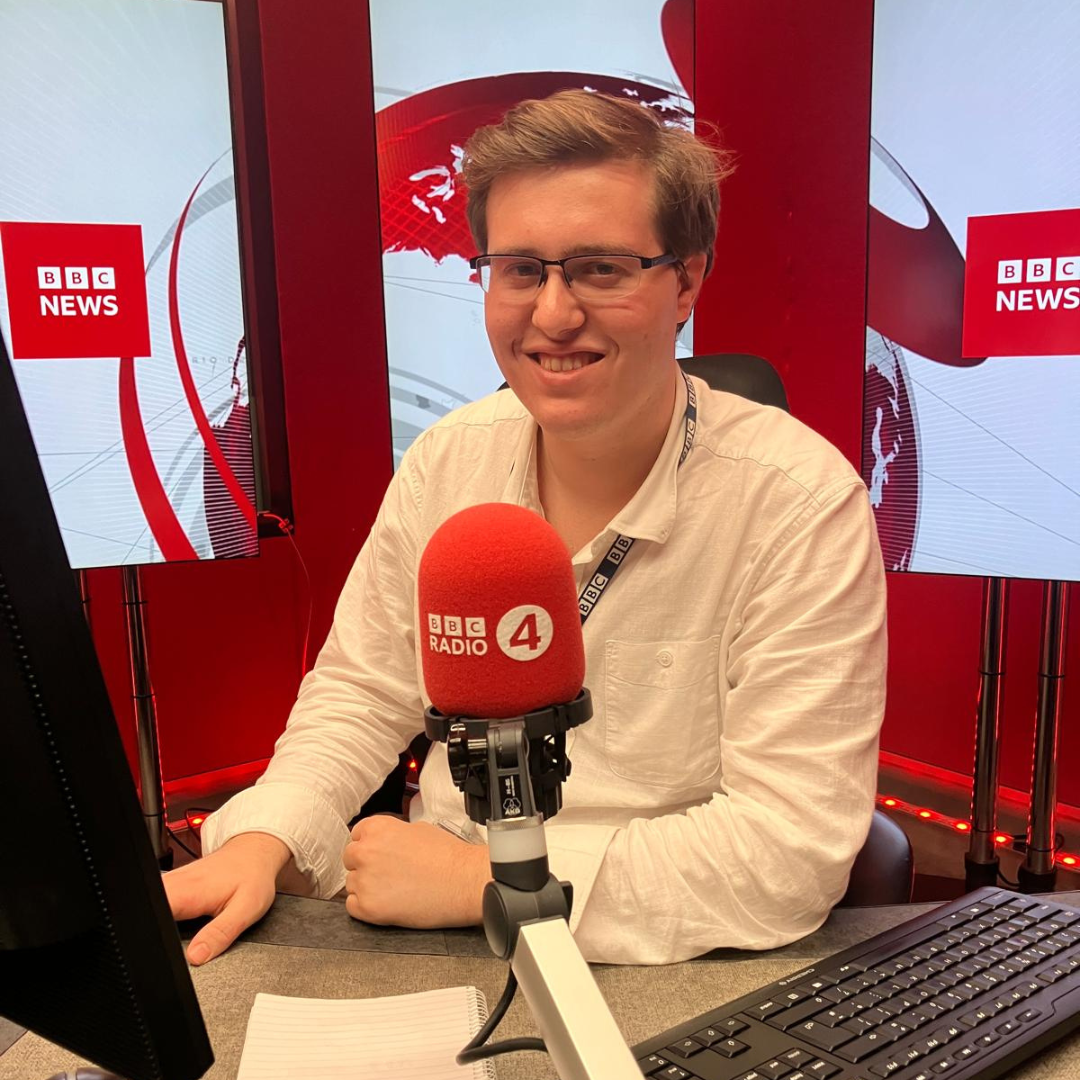
"I’m extremely excited to bring SPANC to the East of England for the first time ever. Concrete submitted an excellent bid which I’m hopeful will give as many students as possible the opportunity to attend. We can’t wait to see you there."
Joe McFadden, SPA Conference and Events Officer
Concrete is the University of East Anglia’s official student newspaper, established in January 1992.
Published monthly in print and online on a rolling basis, Concrete is headed by Editor-in-Chief Emily Pitt-Shaw and Deputy Editors Anna Johnson and Daisy Lester.
Concrete also includes Venue, our arts supplement, headed by Venue Co-Editors Micah Petyt and Robyn Srikandan.
Emily said: “We are beyond excited to host #SPANC26 and bring the conference to Norwich. I’m incredibly proud of all those that continue to be involved in student journalism, and Concrete looks forward to welcoming everyone to the University of East Anglia. I know that the trustees, officers, Hannah and I will do everything we can to make this another incredible year of workshops and awards. We look forward to seeing you all soon!”
Click here to view the full timetable for the weekend!
If you have any questions not covered below, email events@spajournalism.com
With thanks to our 2026 sponsors













What's included in my ticket?
A welcome social on Friday (with dinner!) giving you the chance to meet students from across the UK and Ireland
Access to the full conference programme with more than 20 panel discussions and keynote speakers
Access to one-to-one drop-in sessions with senior industry professionals, as well as workshops to get bespoke feedback
A reserved seat at the SPA Awards, including a three-course sit-down dinner, as we celebrate the best of student journalism
Lunch on Saturday and Sunday
A goody bag full of freebies
An opportunity to attend our AGM in person and shape SPA policy
Run in-person for election to be part of the SPA’s executive committee and put on an even better event in 2027
We know our industry is unequal — and as students, you rarely have spare cash lying around.
We also know the difference attending SPANC and winning our awards can make to your future career. Previous members and award winners have gone on to secure jobs at the BBC, Sky News, The Times, The Guardian, and many more.
We see it as a core part of our mission at the SPA to help diversify the industry and give opportunities to those not traditionally represented, so we’re pleased to bring back our Financial Assistance Scheme (FAS) for 2026, helping those otherwise unable to afford to come to Norwich for #SPANC26. Find out more here.

Jane Bradley is the UK investigative correspondent for The New York Times. She is a Pulitzer and three-time Orwell Prize finalist and is based in London, where she focuses on abuses of power, national security and crime, money and influence, and social injustices.
Megan Harwood-Baynes is a senior money reporter with The Times and Sunday Times. She previously worked for Sky News where she was one of the UK's first cost-of-living reporters. She covered social affairs and health and had a stint with the broadcaster’s data and forensics team. During her time at Sky News, she covered many major and breaking news moments, including being one of just five journalists inside the courtroom at the trial of Lucy Letby, live reporting the funeral of Queen Elizabeth II, and writing the article that announced a second Trump presidency. Before this, she worked at the PA Media news agency and the Isle of Wight County Press. She graduated from UEA in 2017 and was editor-in-chief of Concrete in her final year - when she and the team won four SPA awards.

Emily Fairchild is Content and Editorial Manager at UEA, where she leads strategic content planning across recruitment, brand, and digital experience. She specialises in turning audience insight into impactful messaging, helping teams communicate with personality and purpose. With a background spanning journalism, higher‑education publishing and marketing, and content strategy, Emily is passionate about elevating student voices and designing content that guides people through complex decisions with confidence. She works across cross‑functional teams to shape user journeys, strengthen storytelling, and champion an audience‑first approach. Emily also speaks regularly about content strategy, creativity, and the evolving role of editorial leadership.
Daisy is a political reporter at The Times. She is currently training on the graduate scheme, reporting from Westminster whilst completing her NCTJ qualification with the Press Association. Before reporting on politics, she was a researcher on the paper's special editorial projects including the Crime and Justice Commission and the Guide to the House of Commons 2024. She studied politics at King's College London and was News Editor of her student newspaper, Roar News, where she won an SPA award for Best Investigation for a piece she wrote about her university's Conservative Association.

Ian Clarke has been a journalist with the Eastern Daily Press and its sister titles for more than 37 years. He worked as a reporter/chief reporter in various district offices and in the crown court and is now executive editor in the Norwich HQ. Ian (known to most people as Clarkie) is passionate about the role of regionalism journalism on all platforms in fighting for local communities, challenging authorities and putting smiles on the faces of locals. He is a committed Christian, father of three grown up children and now a doting grandad. Ian is a Norwich City season ticket holder, walking footballer and keen (and slow!) park runner.

Ryan Payne is a part of the media and communications team at Norwich City. Initially joining in October 2022 as Club Journalist, he now works as Club Journalist and Programme Editor, working across the club's editorial and social media channels. A Sports Journalism graduate from the University of Gloucestershire, he also has prior communications experience within the NHS.
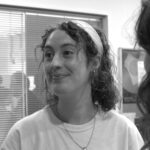
Jess Burt is a video producer at The Times, making breaking news videos for their website and app. In her role, she also produces news explainers for YouTube to break down international and national news stories, ranging from protests in Iran to whether Trump will try to change the government in Cuba. Previously, Jess completed an internship at The Guardian and later freelanced on their news video desk. She has a master's in International Journalism from City St George's, University of London and a bachelor's in International Relations and Modern History from the University of St Andrews.

Katelyn Mensah is an entertainment journalist currently working for Radio Times. In her role, she has interviewed everyone from Adjoa Andoh and Gordon Ramsay to Josh O’Connor and Anna Kendrick. Her journalism career began while studying at the University of Lincoln where she became involved with The Lincoln Tab, rising from a writer to editor in six months. After graduating in 2022, Katelyn worked at The Tab HQ with a focus on showbiz and TV news before moving to Radio Times. She began as entertainment and factual writer before moving to her current role in 2025.

Max Kendix is a political correspondent at The Times. He joined The Times in 2022 as a trainee news reporter and started working in Westminster just before the start of the general election in 2024. He graduated from Durham University in 2022, where he edited the student paper, Palatinate. He has won or been shortlisted for several national awards.
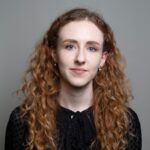
Zoë Crowther is a political reporter at PoliticsHome and The House magazine, covering UK politics, social issues and technology from Westminster. She has previously worked as a social media journalist and freelance reporter, with bylines in The Sunday Times, The Sun, Daily Mirror and regional titles. Zoë also spent over two years with News Associates in editorial development. During her studies at The University of Bristol, she served as the Students’ Union Correspondent for Epigram in 2018/19 and News Editor for The Courier in 2018, sourcing a range of emerging student-interest stories.

Henry Calvert is an online personality and presenter who specializes in all things pop culture. Amassing over 500K loyal followers across his platforms, Henry's celebrity interviews, sketches and authentic northern sense of humor has made him a mainstay in the online pop culture space. His television appearances include reaching the final on Discovery's reality dating show Beauty and the Geek, CBBC's Saturday Download as well presenting social series for Sky and ITV. He is a writer for SFX Magazine, where he conducts set visits and interviews, with notable features covering both Wicked movies.
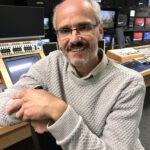
Julian Sturdy made his name as an investigative reporter at the BBC. His stories have made international headlines, leading to police investigations, arrests and the bringing down of an MP as well as CEOs and conmen. He's been a prosecution witness at three murder trials including the Soham serial killer Ian Huntley. Julian's investigations have won numerous national awards including a Royal Television Society Award; Nominated in the Radio Academy Awards; Short-listed five times in the British Journalism Awards. National healthcare journalist of the year. He worked for the BBC for 36 years appearing across the BBC outlets including Today, the News Channel, Breakfast News, Radio 4 Face the Facts. Julian is a judge on the British Journalism Awards. He lectures in Broadcast and Multimedia Journalism at the University of East Anglia.
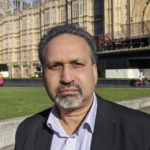
Barnie Choudhury is an award-winning journalist. During is 45-plus-year career Choudhury has helped to bring in new laws and change public policy. He’s currently editor-at-large for Eastern Eye, the UK’s number one newspaper for the south Asian communities. Choudhury specialises in data-driven-diversity investigations. He spent 24-years in the BBC where he output edited local, regional and national radio and television news programmes as well as being a network correspondent. Choudhury teaches law, regulations, ethics, writing, radio, TV and digital journalism at the University of East Anglia. He also devised the first ever 12-week module on diversity and inclusivity for an accredited BJTC broadcast journalism course. Choudhury is a self-confessed maverick who enjoys nothing more than holding power to account and shining a light on the changing face of Britain. In 2024, MPs recognised him for his work, naming him journalist of the year in the Political & Public Life Awards.
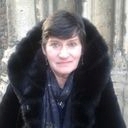
Celina is a former freelance Fleet St journalist and investigative researcher having contributed to The Sunday Times and The Independent magazine, among other publications. Celina has also worked in TV, including, C4 news & Dispatches. She currently contributes as both a hack and an editor for eastangliabylines.co.uk focussing on regional issues.
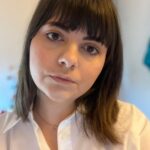
Jessica Frank-Keyes is Head of Press at Best for Britain, a campaigning think tank which aims to solve the problems Britain faces after Brexit. She joined the organisation in May 2025 as a Senior Press Officer, after a rewarding eight year career in journalism, most recently as Political Reporter at CityAM, based in Westminster. She also worked for LondonWorld, PA Media, and trained at the Eastern Daily Press (EDP) and associated titles. Jess studied History and Politics at the University of East Anglia (UEA) graduating in 2017, but spent most of her time in the student newspaper, Concrete’s, offices.

Debbie Ridgard is a multi-award-winning journalist who works as an Entertainment Reporter for Sky News and the Independent Radio Network. She’s responsible for Entertainment output across the IRN syndication of over 200 radio stations across the UK and Ireland. Her role sees her work across radio, television, online and social media platforms covering major arts industry events, conducting exclusive interviews, and covering red carpet premieres and award ceremonies. Before joining Sky News, Debbie worked as a radio presenter, news and sports journalist and a mobile media lecturer in Ireland.

Ben Falk began his writing career as a reviewer and then Film Editor at Nottingham University's Impact magazine. He is particularly proud about the fact he convinced Blockbuster in Lenton to give him three free movies a week. He began his professional career as a freelancer at Empire while still a student on the postgraduate magazine course at City. He's since been Hollywood correspondent for the Press Association (now PA Media) based in Los Angeles, has covered the Oscars, Cannes and Sundance and freelanced for digital outlets including Yahoo Movies UK and BAFTA (where he is a film awards voter). He’s also an author and ghost writer, whose books include Robert Downey Jr: The Fall and Rise of the Comeback Kid (which is due to be updated this year) and the textbook Entertainment Journalism: Making it Your Career.

Eliot Higgins is the founder of Bellingcat, a pioneering investigative collective known for its groundbreaking work in online open-source investigation. He gained early recognition for exposing weapons use in the Syrian conflict and launched Bellingcat in 2014 following the downing of MH17, where the group identified the Russian missile launcher responsible. Under his leadership, Bellingcat has grown into a globally respected organisation advancing open-source methods in journalism, justice, and accountability. Higgins is also the author of the best-seller We Are Bellingcat and leads Bellingcat Productions BV, producing documentaries and media based on Bellingcat’s investigations.
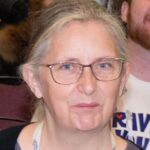
Samantha Mayling is a reporter for Travel Weekly, writing for print and digital products. She started as a trainee reporter with the Mansfield Chronicle Advertiser, where she gained her NCTJ qualification. Samantha moved to London to work on local newspapers in Camden, then worked for Travel Trade Gazette, where she had several roles. Upon moving to Norwich, Samantha turned freelance. She started writing for a range of travel trade publications and websites before joining the Travel Weekly Group in 2014. She also freelances for World Travel Market throughout the year and attends WTM London each November as part of the WTM press office team.
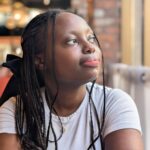
Michaela Makusha is a freelance journalist who focuses on culture and politics. She graduated from Durham University in 2023 during which she wrote for Palatinate and NeBeep, a youth focused news site in the North East. She then went on to gain a Masters in Investigative Journalism in 2025 from DeMontfort University. She has written for The Observer, The Guardian, Glamour UK, Stylist, Black Ballad, Teen Vogue and more.
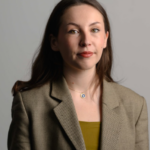
Lauren Shirreff is a features writer at the Telegraph. She edited the Oxford Student and worked in communications for Oxford University Students' Union before joining the Telegraph's graduate scheme in 2022. Having previously covered health and wellbeing, she now writes across all subjects for the Telegraph's live features desk and the Telegraph Magazine. On election night in 2024 she interviewed Britain's youngest MP, and she has also reported live from Glastonbury festival. Her work has taken her across the country as well as to the US, Thailand and other parts of Europe. She comes from the north east of England.

Patrick Wintour currently serves as Diplomatic Editor for The Guardian. Wintour began his professional career at the New Statesman in 1976, before joining The Guardian in 1983 as Chief Labour Correspondent. Over the decades he has held multiple roles within The Guardian family: Chief Political Correspondent (1988–1996; 2000–2006), Political Editor of The Observer (the Guardian’s Sunday-sister paper) between 1996 and 2000, and Political Editor of The Guardian from 2006 to 2015. His accolades include the British Press Awards “Political Journalist of the Year’’, which he received in 2007. In 2015 he transitioned to his current role as Diplomatic Editor, expanding his focus from domestic British politics to global foreign policy and international affairs — offering readers analysis and reporting on diplomacy, geopolitics, and global crises.
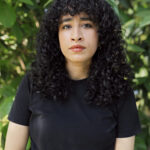
Shahed Ezaydi is a writer and editor, specialising in features and reporting on culture, social issues and feminism. She was formerly a writer at Stylist Magazine but now freelances for a range of publications. Shahed is also the author of The Othered Woman: How White Feminism Harms Muslim Women, which is her debut book.
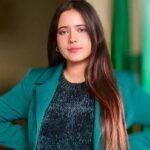
Anuska Banerjee is a journalist at Newsquest Essex, covering all sorts of local news from the community- from politics, business profiles, and theatre reviews to hard-core breaking news events. She is passionate about connecting with the community and using journalism to reach diverse audiences, merging her personal interests with her reporting to tell stories that resonate locally. Anuska believes in the power of regional journalism to inform, engage, and inspire, bringing a wide-ranging curiosity and enthusiasm to every story she covers.

Maryam Moshiri is a chief presenter at BBC News. Her show The World Today launched on the BBC News channel in January 2024, broadcasting to more than 115 million viewers globally. After studying broadcast journalism at the London College of Communication, Maryam’s journalism career started at Independent Radio News. A few years later, Maryam began her BBC career as a business news presenter, covering all major business stories from the economic impact of the 9/11 attacks to the global financial crisis. She has since covered events such as the Covid pandemic, the war in Ukraine and the death of Queen Elizabeth II. Maryam has also gone viral with several clips, including her impression of a seagull; imitating a supermoon when pictures failed to appear; and the infamous countdown and middle finger incident in December 2023.
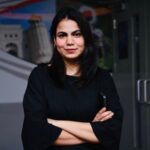
Kirti Dubey is an award-winning Indian journalist and AI policy researcher based in London. She currently works with BBC Eye, the corporation's flagship investigation team. Kirti writes about human rights, conflict and its intersection with technology, with a particular focus on surveillance, press freedom, and AI governance in the Global South. She has been a BBC Hindi correspondent in Delhi, and she has reported extensively from across India and Indian-administered Kashmir. She holds a Master's in Media and Communications (Data & Society) from the London School of Economics, where her research examined state surveillance of journalists in India.

Joe Harston has been a Trainee Sports Reporter at The Times and Sunday Times for the last year. He has a particular focus on football in London but has covered Wimbledon and the Darts World Championship and interviewed figures from cricket and rugby. He is currently studying for his NCTJ at PA Media Academy after graduating from Durham University, where he spent two years as part of Palatinate's sports section before becoming Editor-in-Chief in his final year. He recently co-founded Palatinate’s alumni association.
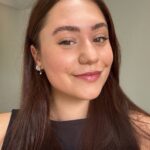
Maddy McNiven is a journalist currently working as a trainee at ITV News Anglia, where she gains hands-on experience across regional newsrooms. She has reported, filmed and edited stories from across the East, including the arrest of Andrew Mountbatten-Windsor, producing the first bulletin to break the story. She graduated with first-class honours in Broadcast and Multimedia Journalism from the University of East Anglia, where she developed strong storytelling skills across digital and television platforms. Alongside her traineeship, she has freelanced with BBC Look East, further building her experience in both live and pre-recorded broadcasting. Maddy has also contributed to general and local election coverage for BBC News and has experience creating content within the marketing sector. Her work has recently been recognised with nominations for an RTS Student Award and a BJTC award, reflecting both technical and editorial strengths.
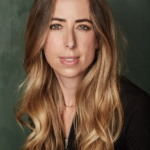
Catrin Nye is an investigative journalist with the BBC. She specialises in long-form documentary journalism, and her career has seen her investigate financial exploitation, the chemicals industry and sexual abuse. Her podcast A Very British Cult was critically acclaimed and Apple’s most listened to BBC podcast of the year. Catrin has spent over 20 years with the BBC, including on flagship programmes such as Newsnight, and Panorama. She has also spent time with BBC Radio 4, BBC 1Xtra and BBC Radio Derby. Her investigative work spans across genres, including reporting for current affairs and documentaries.
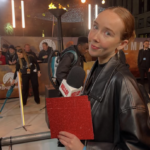
Iona is an editorial assistant at HELLO! Magazine, having joined the company after graduating from the University of East Anglia in August 2024. While studying for her BA in English Literature and Drama, Iona undertook summer internships at HELLO! and Women's Health. She also wrote for The Tab between her studies. While writing about the latest TV shows trending on TikTok is Iona's forte, she also loves reporting from the red carpet. She has interviewed celebrities and Hollywood stars such as Amal Clooney, Tom Blyth, Anthony Boyle and Dave Franco.

Ben Morris is a BBC Journalist, and specialises in reporting on disability, user-generated content, and entertainment. Ben's stories typically reach a global audience, and allows those who normally don’t have a voice, the chance to be heard. As a full time wheelchair user, he is always keen to learn about the developments of the disabled world, but prefers to focus on positive stories, rather than the negative. Ben has just finished the BBC’s Level 7 Advanced Journalism Apprenticeship, and is keen to help the next generation of journalists to break into the industry, no matter what background they have.
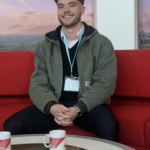
Henry Durand is a local democracy reporter for the Eastern Daily Press. He started the role four months ago after a short stint as a patch reporter. Prior to starting as a journalist, he worked towards his NCTJ with News Associates in Manchester after his degree in history and American studies at the University of Nottingham. In his current role, he is partly funded by the BBC to cover the day-to-day activities of authorities across the region. He has interviewed MPs and local leaders, and will have a strong focus on the upcoming council elections in May.

Yasmin Thomas is a Social Media Editor for Unilad and LADbiblegroup. Prior to that, she worked the same position at Reach across brands Daily Mirror and Daily Star. During her time at both organisations, she's covered a range of different topics across trending news. This includes the death of The Queen, Charlie Kirk's assassination, a part of the team who created the infamous Liz Truss lettuce campaign and covering award events. Born and bred from London Hackney, she's stayed close to her roots by also advocating and covering issues close to heart as a woman of colour within journalism.

Vicky is an award-winning investigative journalist and editor. Her career began in regional news and she co-led Newsquest's first data investigations unit before working at the Bureau of Investigative Journalism (TBIJ). She now juggles editing at The Canary with freelance journalism, mentoring and unpaid caring. Find her work at Black Ballad, Migrant Women Press, The Voice, The Observer, Refinery 29, Disability News Service, The Mirror, Channel 4 News and more.
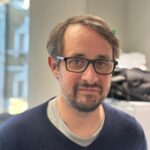
A UEA alum, Jim served as the station manager of the university radio station, Livewire, while studying in Norwich. After graduating, he wrote for a number of business magazines while he studied journalism part-time at City University. After a spell working for the business TV channel CNBC as a producer, he joined BBC News and has worked as a producer and then a reporter for the Today programme, 5Live, Newsbeat, Newsnight and the Victoria Derbyshire programme. In 2020 he was seconded to the BBC’s national health unit to help work on the Covid pandemic and is now a permanent reporter on the health desk. During his time reporting for the BBC, he has covered the infected blood scandal extensively and won a Medical Journalists Association Award for his podcast on the Covid-19 inquiry.
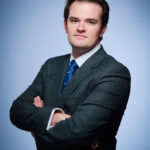
Chris Matthews is a freelance investigative journalist specialising in organised crime. He has written for papers across Fleet Street and spent four years at the Daily Mail, where he secured exclusives in the UK and abroad as a senior reporter on the News Features desk. He has interviewed gangsters on both sides of a Scottish mob war, used secret cameras to expose Albanian cocaine dealers recruited through social media and tracked down networks linked to senior cartel figures around the world. He was Editor-in-Chief of UEA’s student newspaper Concrete in 2019/20 and is a former SPA London Officer. He is currently working as an assistant producer on two organised crime documentaries for major broadcasters.
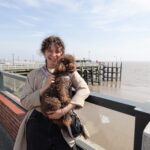
Patrycja is a journalist and creative storyteller who specialises in character-led narrative stories for digital audiences. She produces digital audio stories for BBC Sounds in Lincolnshire, leading the Secret Lincolnshire brand. Her work covers the whole journey of a story: pitching ideas, producing long-form podcast episodes, writing online feature versions and creating social media edits. She’s currently focusing on finding better ways for on-air teams to bring digital stories into their programmes, so they reach more people. She created the BBC Sounds series ‘That ADHD Story,’ producing, presenting, and editing it herself. She holds a BA in Broadcast Journalism and an MA in Documentary Journalism from Nottingham Trent University, and is passionate about making factual and educational content feel engaging and accessible.
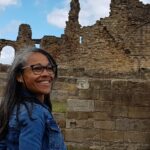
Karen Hindle is an award-winning communications leader with more than 15 years’ experience in the NHS and a background in journalism and broadcast media. She is Head of Communications Projects at Norfolk and Norwich University Hospitals NHS Foundation Trust, where she leads communications for major transformation programmes including the Electronic Patient Record and major hospital developments. Karen advises senior leaders and boards on media relations, crisis communications and stakeholder engagement, and played a key role in communications during the Covid-19 pandemic. A former journalist and TV producer, she has worked for organisations including ITV and Archant and holds a postgraduate certificate in healthcare communications.

Elle Hunt is a freelance writer and journalist, working mostly for The Guardian. Her features and commentary have also been published by The Observer, The New York Times, GQ, Vogue, Kinfolk, Elle Australia, Vice, Slate, New Scientist, BBC Science Focus, Esquire, Grazia, Stylist, Men’s Health, Women’s Health and more. Elle worked at The Guardian for five years as a reporter and editor, in Sydney and London. She has lived in Norwich since 2021.
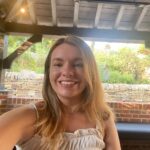
Rebecca Russell is Deputy Royal Editor for The Express. Based in London, Rebecca covers current Royal Family events, as well as frequently writing about the Royal Family's traditions and history. She previously worked as a Royal Reporter at OK! Magazine, The Daily Mirror and MyLondon News. Rebecca graduated with a Bachelor’s degree in Multimedia Journalism from the University of Essex in 2021.
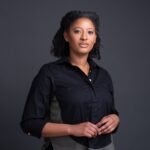
Lynsey Chutel is a reporter for The New York Times based in London, covering breaking news in Africa, the Middle East and Europe. Lynsey joined The Times in 2021 as a reporter in the Johannesburg bureau covering her native South Africa and the nine countries that make up southern Africa. Before that, she reported from southern and parts of East Africa across various media platforms, including News24, one of South Africa’s largest TV news outlets, Quartz and The Associated Press, where she covered the Oscar Pistorius trial and other breaking news. Lynsey has a graduate degree in journalism from Columbia University and a master’s degree in international relations and politics from the University of the Witwatersrand in Johannesburg. She is a coauthor of the book “Coloured: How Classification Became Culture,” which explored how the history of colonization and slavery in the country shaped the various identities of Black South Africans. She was part of a team that won the 2021 Mirror Award for best story on media coverage of the coronavirus pandemic, “Infection and Repression,” published in the Columbia Journalism Review.
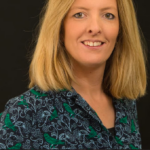
Annabelle Dickson is the UK News Editor at Politico, where she covers British politics with a focus on Westminster, government policy and the intersection between UK and European affairs. She oversees Politico’s influential newsletters, which are must-read briefings for politicians, advisers and journalists across the political spectrum. Before joining Politico, Dickson was the Political Editor for the Eastern Daily Press and East Anglian Daily Times.
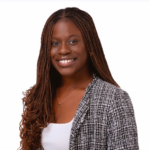
Tiwa Adebayo is an experienced journalist, broadcaster and former financial services professional, she currently works at Bloomberg News. Prior to joining Bloomberg, Tiwa worked extensively as a freelance journalist writing articles for publications including British Vogue and The Independent. Tiwa also appears regularly on television channels including ITV’s Good Morning Britain and ABC’s Good Morning America discussing a range of topics. Alongside her journalism, Tiwa has experience working in the City of London. Most recently as an Assistant Vice President at Columbia Threadneedle Investments and previously advising listed companies on their communications strategy.
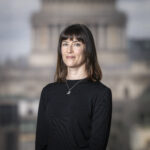
Alyssa McDonald is a senior editor in Bloomberg's London office, focused on equality, management and money. She's edited investigations into harassment at Oxford University and London property broker Foxtons, and features on topics ranging from weedkiller to wildfire smoke. She works on stories in a broad range of formats and has previously been a journalist in Hong Kong and Sydney.
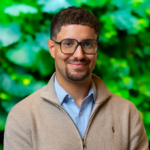
Harry Black is a graduate reporter at Bloomberg News, currently on the legal desk covering UK courts and financial crime. His first rotation around the newsroom was with the soft commodities team, covering the sugar, cocoa and coffee markets. Before joining as a full time reporter, he interned at Bloomberg last summer. He did his MA in Global Financial Journalism at City, St George's University of London and his undergraduate degree at the University of Bath, studying French and Spanish.
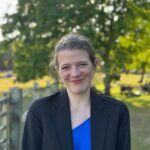
Rose Henderson is an equities reporter at Bloomberg News, covering macro trends and strategy across the European stock market. She is currently training as a rotational reporter in Bloomberg’s London newsroom, where she has written stories on topics ranging from defence companies to the AI bubble. Before joining Bloomberg, she was a digital content producer at LBC and Editor-in-Chief of The Oxford Student.
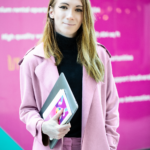
Amelia Hansford is an NCTJ-qualified Multimedia Journalist, columnist, and campaigner currently working for PinkNews – the world's largest LGBTQ+ news media brand – as its only transgender journalist. Combining her expertise, lived experience, and a raw passion for her medium, Amelia has, over the past four years, produced an eclectic array of news articles, features, and columns on a plethora of subjects, from human rights to pop culture. She ensures that the ethical pillars of journalism – impartiality, accuracy, and readability – are at the forefront of her work.
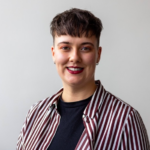
Rhi is a Policy Correspondent at The New Statesman who has more than five years’ experience reporting across education, politics, local government, and general news for print, digital, and broadcast. She thrives on breaking stories that hold power to account, from exposing failings in public bodies to covering national and international events with impact and clarity. Rhi’s reporting has appeared in outlets including The Guardian, The Mirror, The Observer, The i Paper, BBC, Schools Week, and the Birmingham Mail. She was also a recipient of the John Schofield Trust fellowship 2023 and winner of the Scott Trust bursary 2019.

Terry Jermy MP has a background in local journalism and community publishing in Norfolk. Before entering Parliament, he was closely involved with About Thetford, the town’s free local magazine, where he wrote for the publication and later became its editor and owner. His work centred on grassroots reporting, local issues and community life in Thetford, giving him longstanding experience of the role local media plays in connecting residents with the stories that matter to them. He was elected Labour MP for South West Norfolk in 2024, unseating former prime minister Liz Truss.

Pippa Lain-Smith is the founder and managing director of Plain Speaking PR and has worked within the PR sector for more than 25 years. Passionate about the power of real public relations, Pippa will talk until she’s blue in the face about the value the discipline can and does bring to businesses and communities. Whilst public relations is about far more than media relations, working with journalists and editors is a core element of the PR role. Trusted, respectful relationships between journalists and PR professionals can lead to informative, engaging, insightful and accurate news and feature coverage. Pippa is a firm believer in a plain speaking, straight-talking approach to PR and communications, with minimal jargon and maximum results. She’s proud to have helped many organisations, from charities to well-known brands, working as a trusted PR partner and advisor to build and maintain reputations that reflect their values and business objectives.
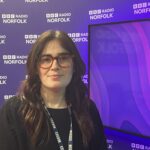
Amy is a journalist and producer for BBC Local with more than thirteen years of experience. She started as a reporter and news reader for Global in the commercial radio sector. Amy has also worked across local television and as a content editor for Reach PLC as they expanded their online news offer across Norfolk and Suffolk. Eight years ago she joined BBC Radio Norfolk and has since spent time in editorial positions on the news desk and on the Breakfast show with Chris Goreham. She also works as a newsreader and currently produces the Daytime show with Kayleigh Poacher. Her role includes writing scripts, booking guests, reporting and editorial decision making.

Almara Abgarian is the Editor-in-Chief at Jam Press news agency, where she is responsible for the daily output of editorial content across four departments, which is provided to the world's biggest publishers. She is also a Metro.co.uk columnist and frequently appears on BBC Radio as a guest voice. Almara has covered every topic imaginable – from horror crime stories to juicy tabloid news – but her speciality lies in real-life features, particularly sex and dating culture topics. Her biggest joy at work is supporting her team of excellent journalists. That, and coming up with cracking, eye-grabbing headlines that shock and awe.

Geri Scott is assistant political editor at The Times. She joined The Times in 2022. Before that she covered politics for PA, The Yorkshire Post and the Eastern Daily Press. Geri is a previous editor-in-chief of Concrete, where she learnt all her best journalistic tricks and how to terrorise (student) politicians. In 2026 she was named as one of the 100 most influential women in Westminster. She was previously a winner at the 30 to Watch Young Journalist Awards. She is a trustee for the Student Publication Association.

Sara leads PLMR’s PR and Corporate Communications team and is an award-winning communications consultant. In 2025 she was named Consultant of the Year at the PRWeek People and Places Awards. She has led international, award-winning campaigns and specialises in reputation management during high-stakes situations, including international conflicts, data breaches and regulatory scrutiny. Sara previously served as Chair of the Global Communications Alliance, helping communications professionals worldwide share knowledge and develop skills. As a PLMR Board Director, she has also driven the firm’s diversity, equity and inclusion programme. Earlier in her career, she worked on Bite The Ballot’s 2015 General Election campaign to boost youth voter registration.

Niamh is the Deputy Team Leader for PLMR’s PR & Corporate Communications practice in Westminster, and an award-winning communications professional specialising in high-level media relations and reputation management. She designs strategic communications campaigns that protect and enhance client reputations, securing impactful media coverage and building strong relationships with journalists. She was named Young Communicator of the Year at the 2023 CorpComms Magazine Awards, and she was previously shortlisted for the PRCA’s Douglas Smith Public Affairs Prize. Before joining PLMR, she interned for a Member of Parliament and completed a Policy and External Relations internship at the British Council.

Jamie began his career as a production assistant in the BBC Moscow office in 1991, before working in Russia as a freelance producer/reporter until the end of 1993. After a year freelancing in London newsrooms, he returned to Moscow in 1994 as a BBC staff producer and reporter. He has worked as BBC correspondent in Warsaw, Paris and Washington - and reported for the Today programme and Newsnight. Since 2010, he has presented Newshour on BBC World Service Radio and, since 2016, The World Tonight on Radio 4. He has also presented live programmes from a number of countries, including Russia, India, Kenya, Germany and France and has covered the last six US presidential elections.
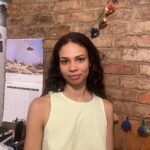
Olivia Lee is a freelance journalist for the Guardian with experience in news, features, data journalism and investigations. Since completing the Scott Trust Bursary in 2025 she has worked on multiple Guardian investigations using specialised and innovative research skills. She enjoys collaborating with other journalists on long-term projects and is currently undertaking work on the Guardians data and visuals team. She is particularly interested in reporting on health and social injustice. She studied an MA in data journalism at Birmingham City University, and previously worked as a health policy advisor.
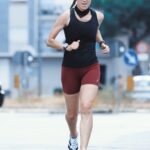
Lily Canter is a freelance journalist specialising in running and fitness. She writes features, gear reviews and race experiences for Runner's World, Women's Running, Fit&Well, TechRadar, South China Morning Post and Adventure.com. She is an experienced ultra-marathon runner and co-author of the book Ultra Women: The Trailblazers Defying Sexism in Sport which was shortlisted for the William Hill Sports Book of the Year 2025. In recent years her running and writing have taken her to Easter Island, Tanzania, Bermuda, Italy and the Scottish Highlands.
Hannah Bradfield is a Senior Health and Fitness Writer for Women’s Health UK. An NCTJ-accredited journalist, Hannah graduated from Loughborough University with a BA in English and Sport Science and an MA in Media and Cultural Analysis. She has been covering sports, health and fitness for the last five years and has created content for outlets including BBC Sport, BBC Sounds, Runner’s World and Stylist. She especially enjoys interviewing those working within the community to improve access to sport, exercise and wellness. Hannah was a 2024/25 John Schofield Trust Fellow and was also named a 2022 Rising Star in Journalism by The Printing Charity. A keen runner, Hannah was firmly a sprinter growing up (also dabbling in long jump) but has since transitioned to longer-distance running. While 10K is her favoured race distance, she loves running or volunteering at parkrun every Saturday, followed, of course, by pastries. She’s always looking for fun new runs and races to do and brunch spots to try.
Ollie Cole is the political producer at Times Radio, and has been in radio & journalism for over a decade, starting on his local patch in west Wales in 2012. He’s worked as a freelance journalist for the BBC, News UK, KM Media, Newsquest and The Stage, plus for photo agencies Alamy & Shutterstock. Covering politics, home affairs and features, Ollie was part of the team which launched Times Radio in 2020. Ollie regularly covers both domestic and international stories, bringing them to listeners across the country and beyond. Ollie is also currently a Trustee with the Student Publication Association.
Countdown to #SPANC26
days
hours
minutes
seconds
Questions?
National Awards
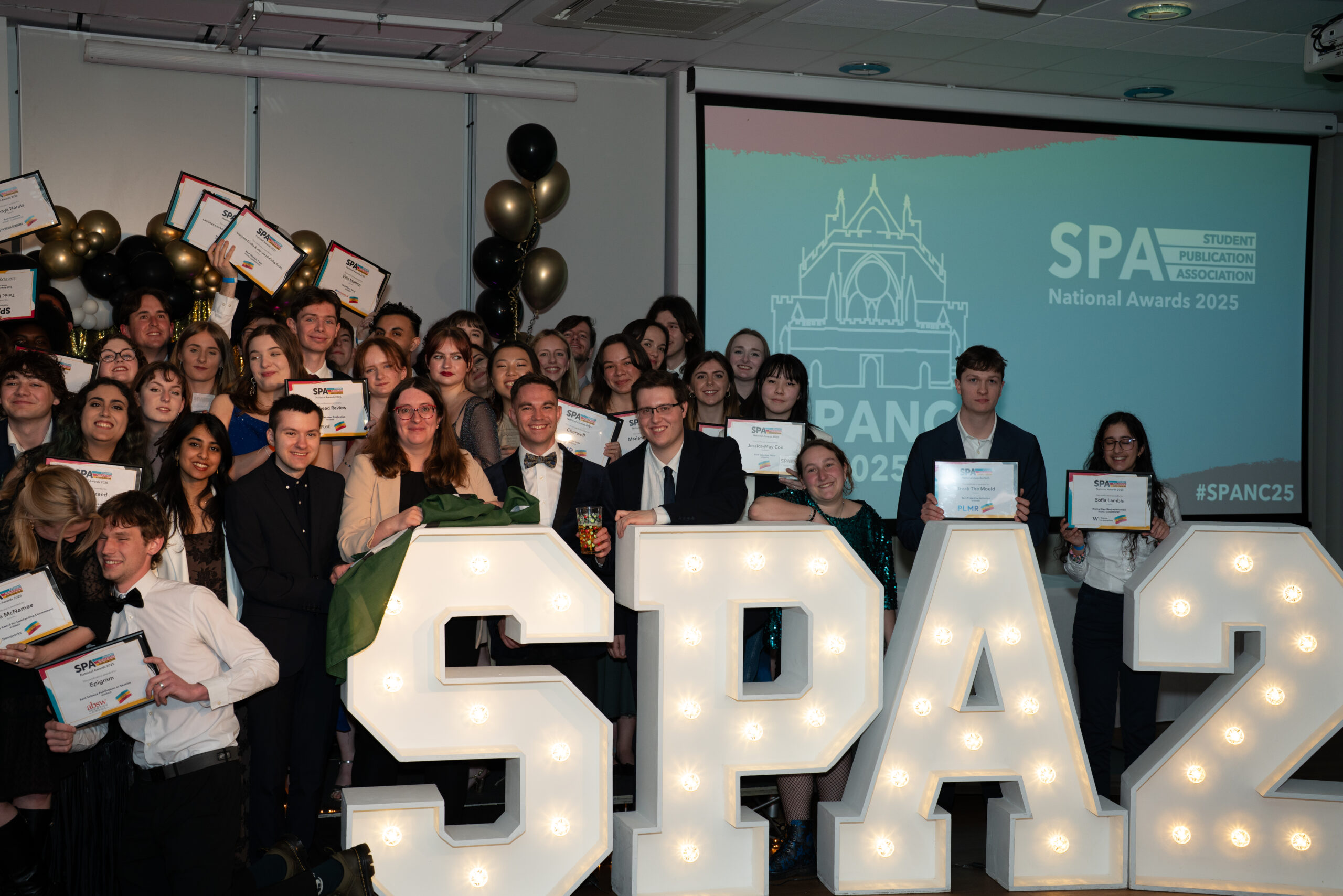
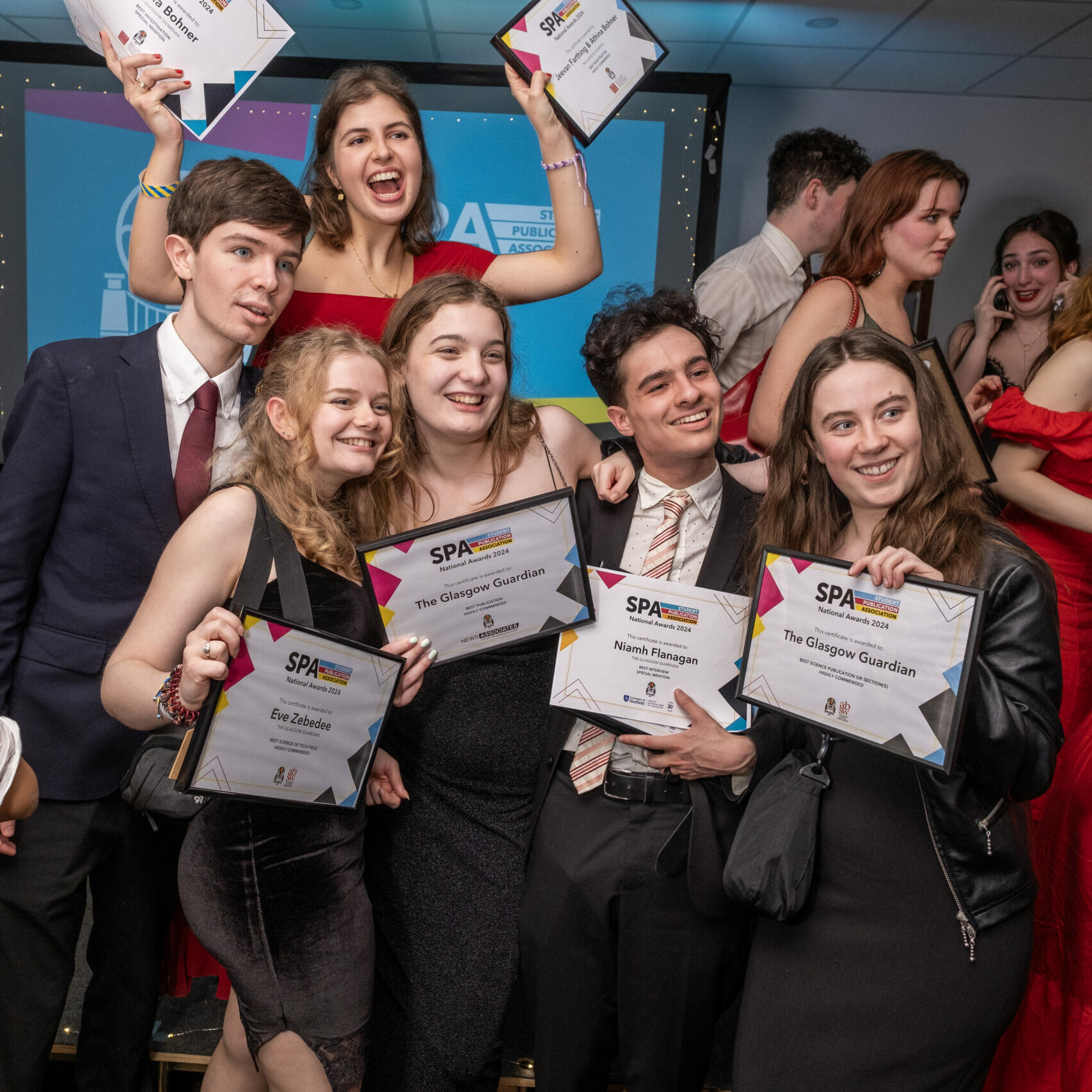
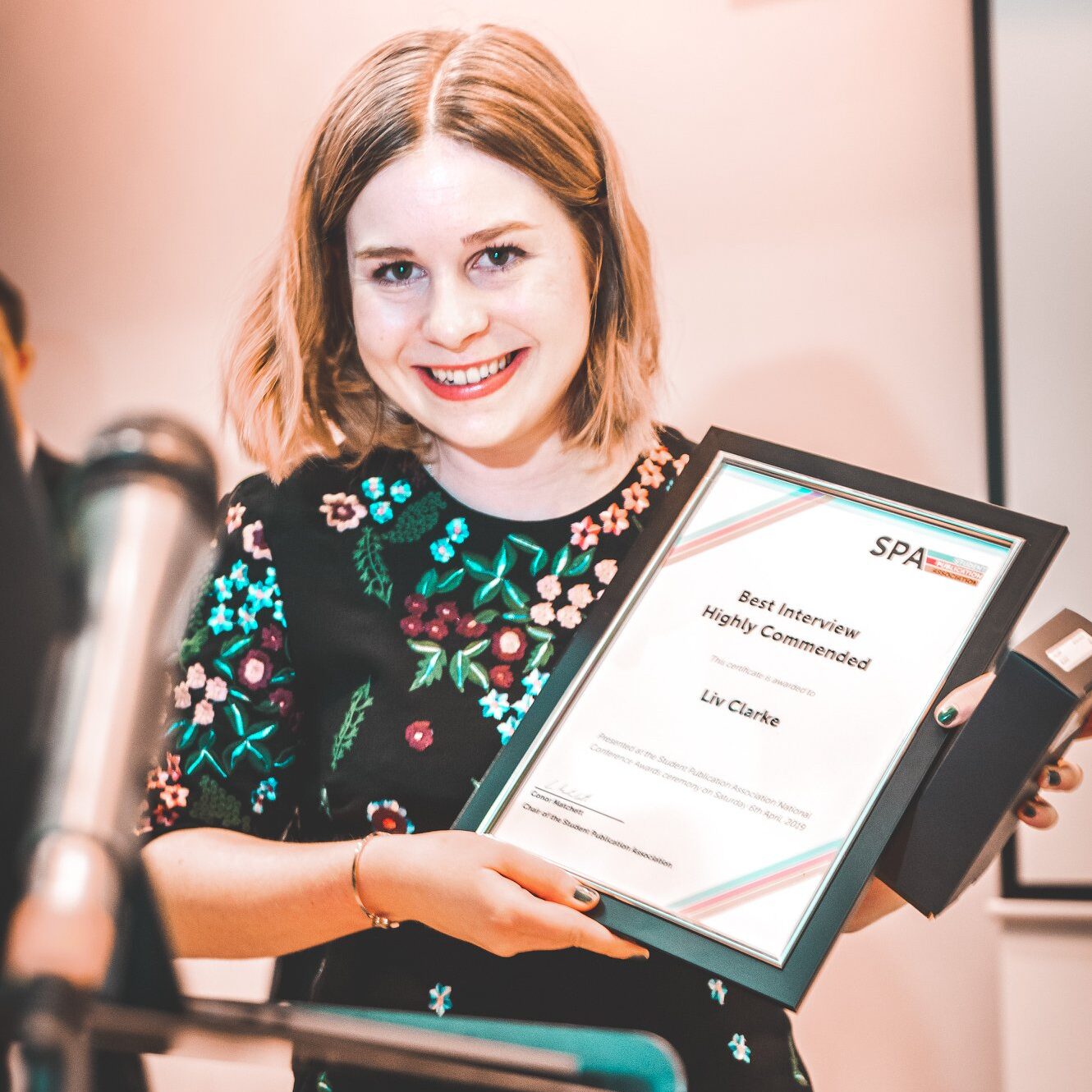
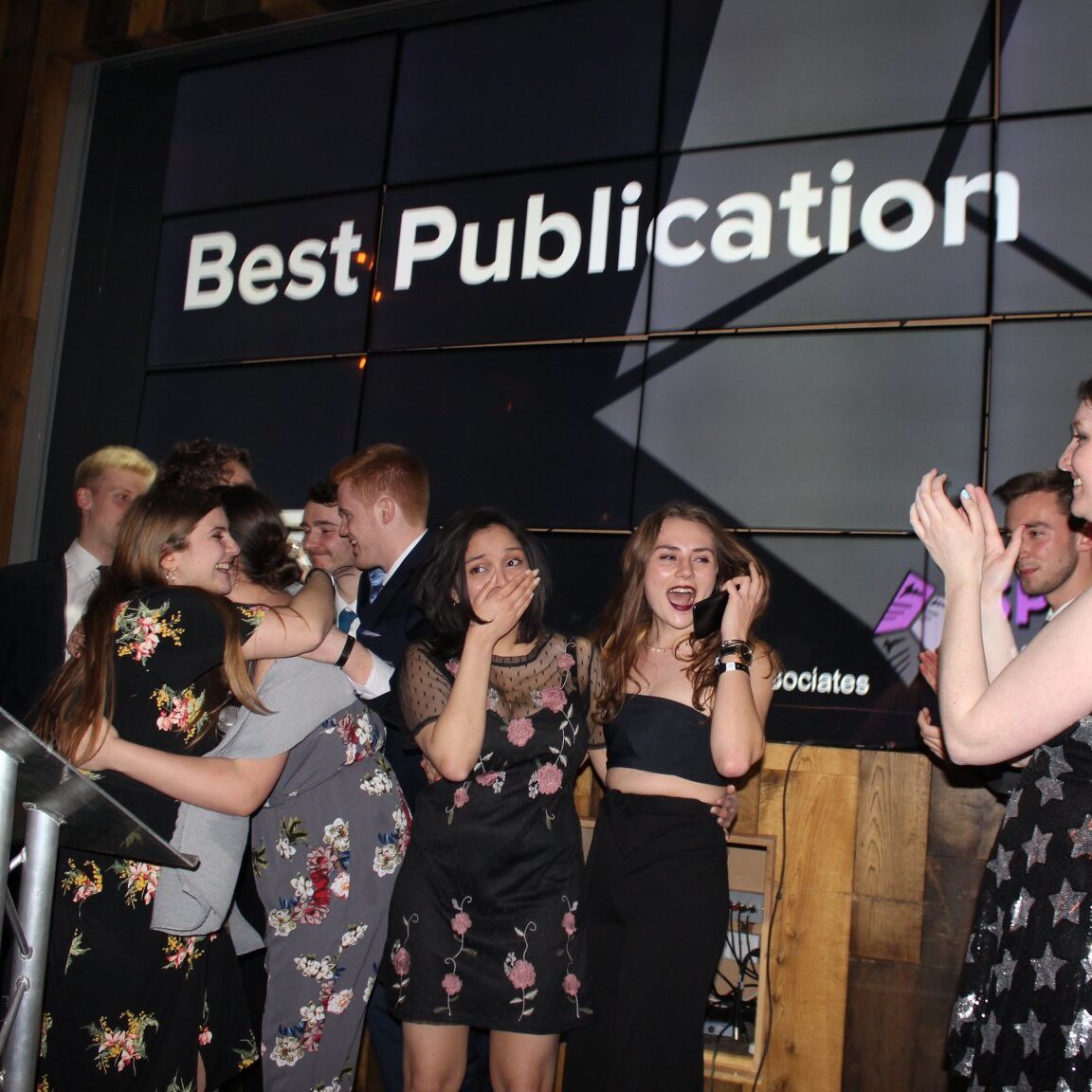
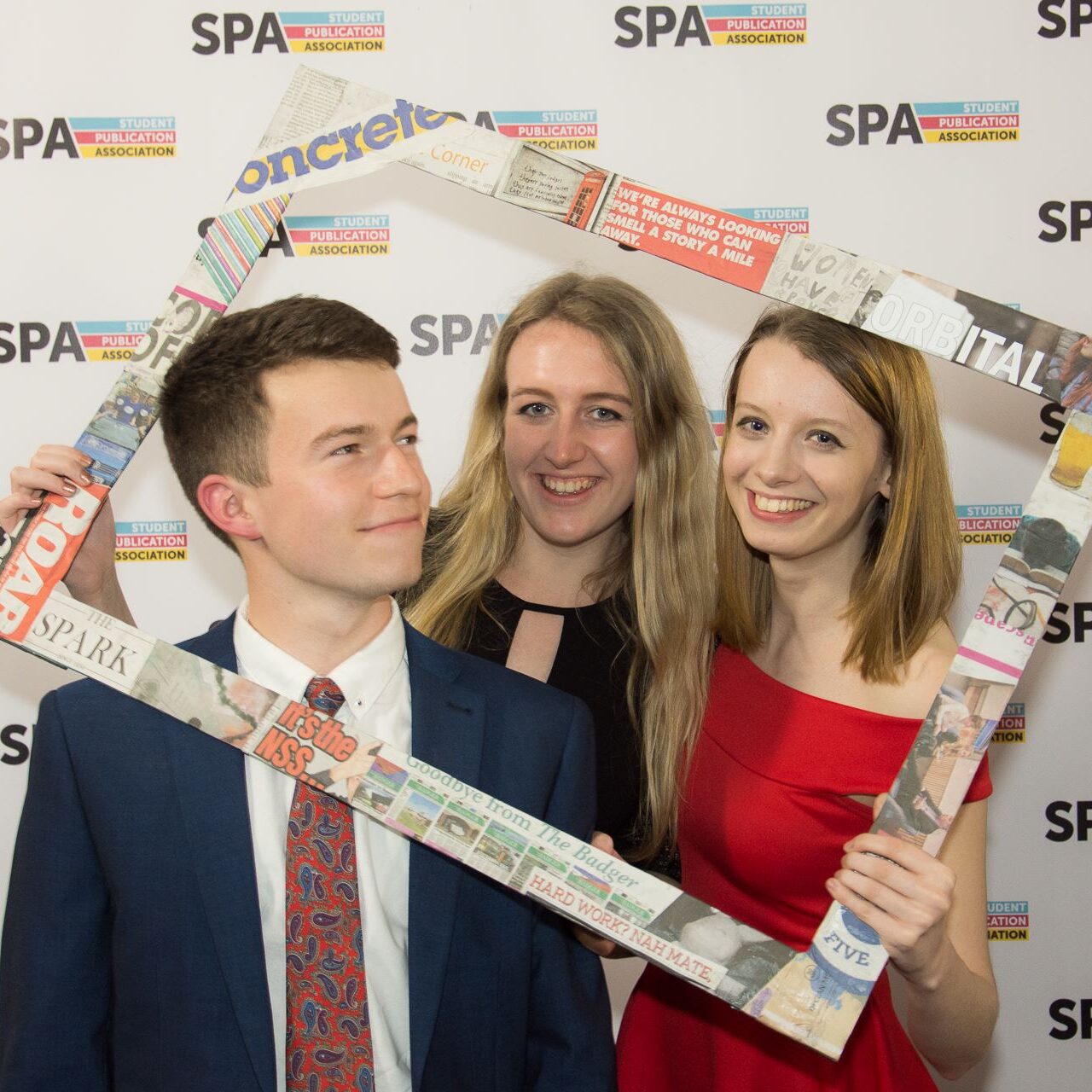
The SPA’s National Awards are a celebration of all the excellent work that takes place at student publications throughout the year! Our awards cover a wide variety of articles and publications and previous winners have gone onto score excellent jobs across the industry and beyond.
Our 2026 awards are now closed and the winners will be announced at #SPANC26.
Publication awards
Individual awards
You can nominate yourself twice for: Best News Story, Best Feature, Best Interview, Best Investigation, Best Comment Piece, Best Lifestyle Piece, Best Arts and Culture Piece, Best Creative Piece, Best Science or Tech Piece.
You can nominate yourself once for: Best Reporter, Best Student Photographer, Rising Star, Best Sports Reporter, Best Culture Writer
There is no limit on how many times you can nominate other people.
Past winners
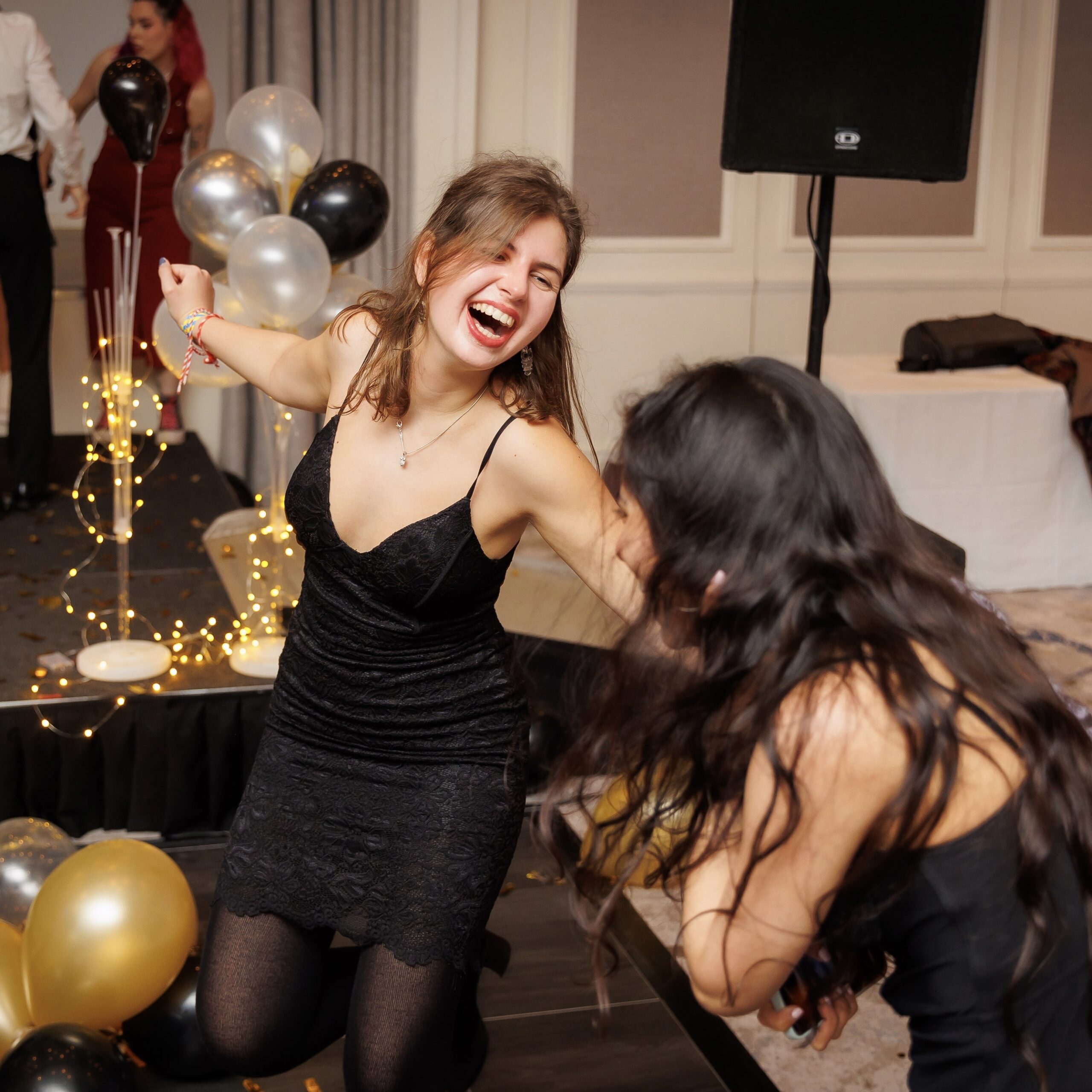
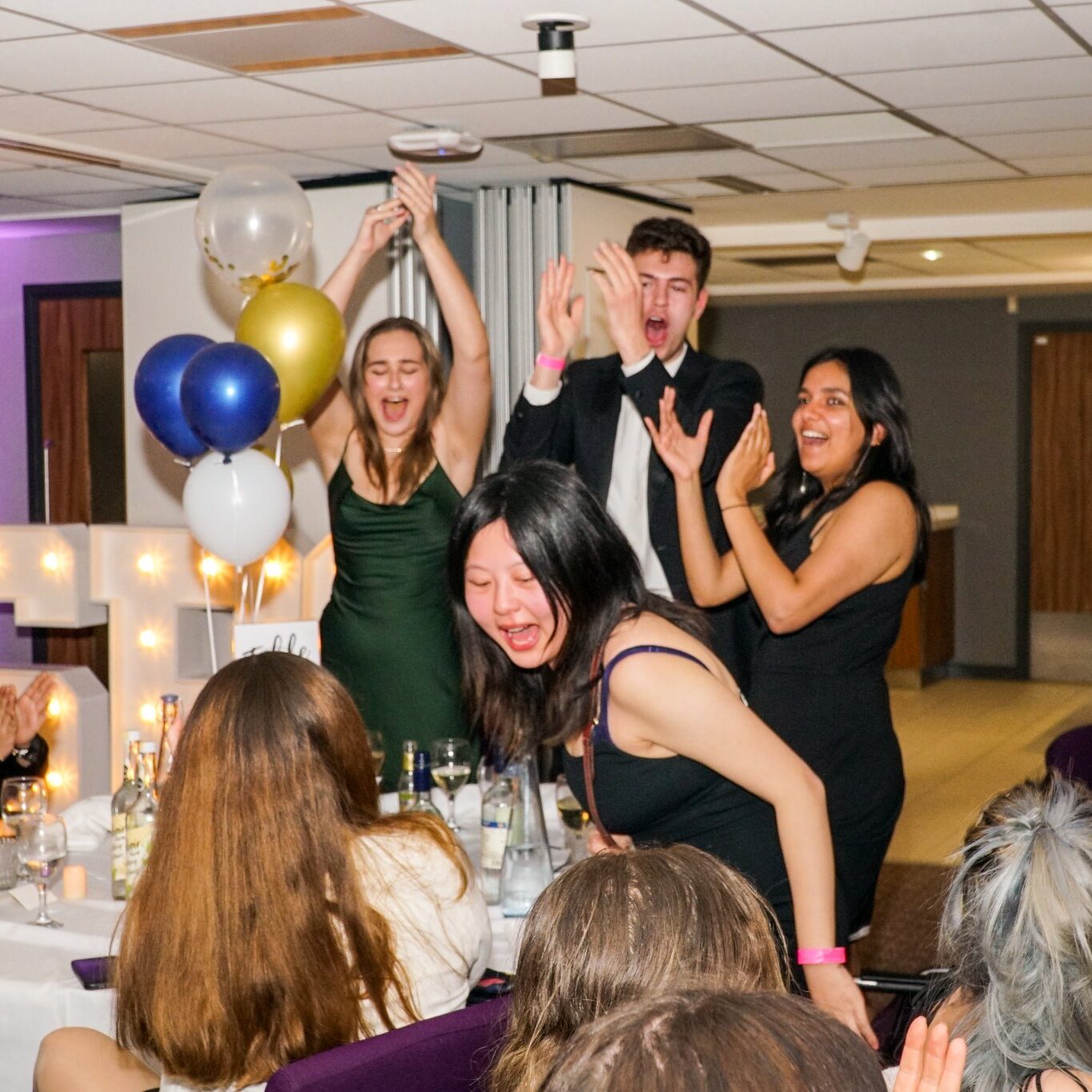
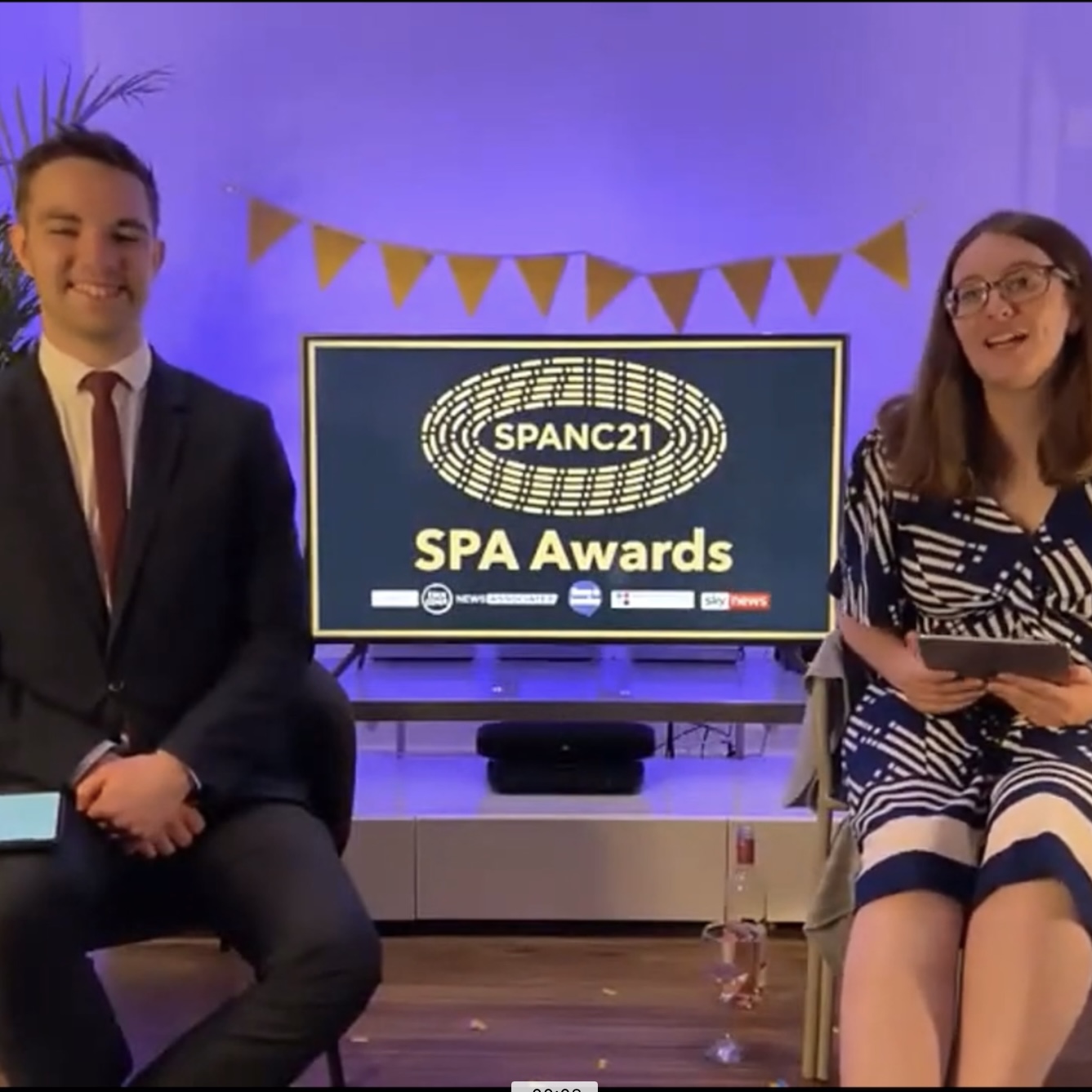
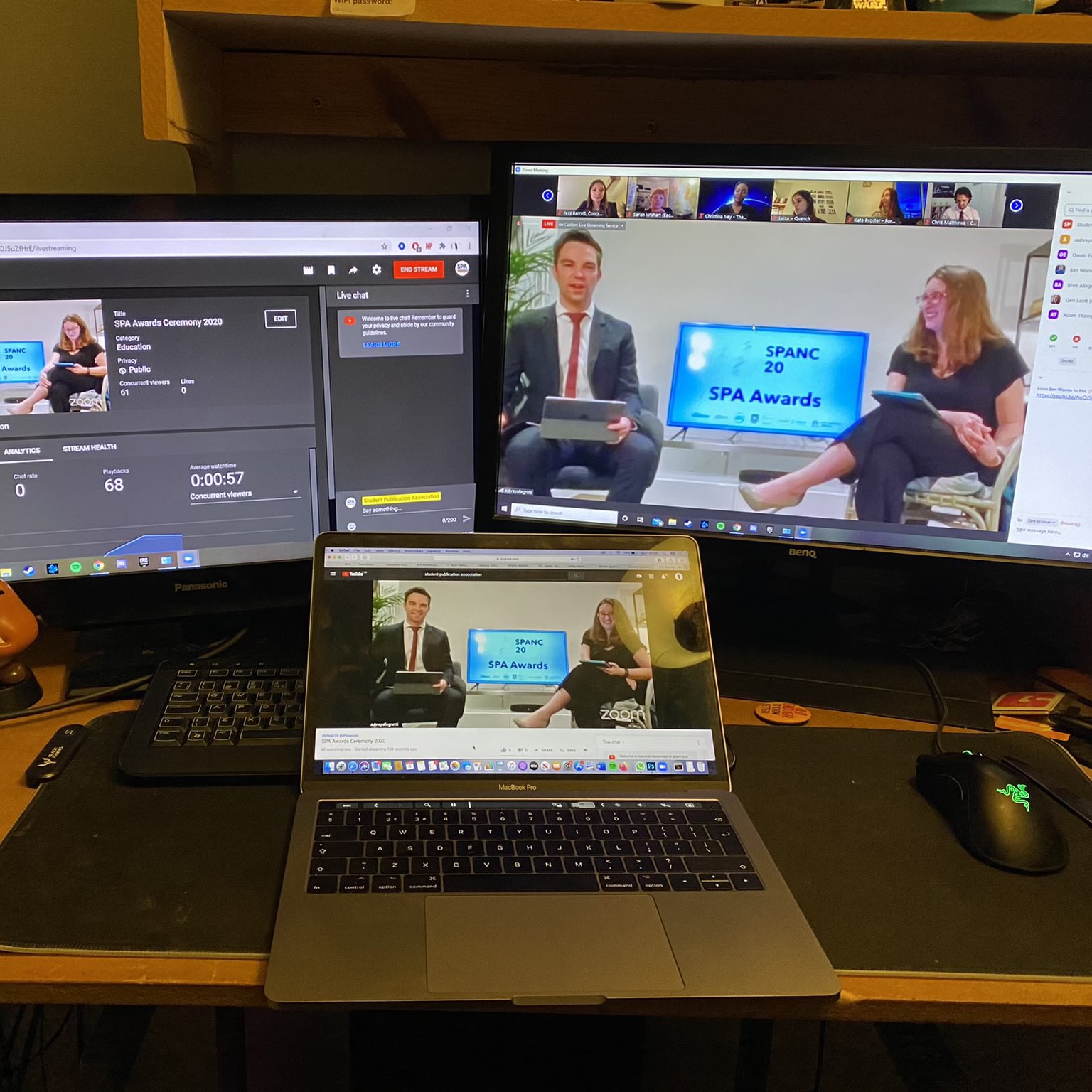
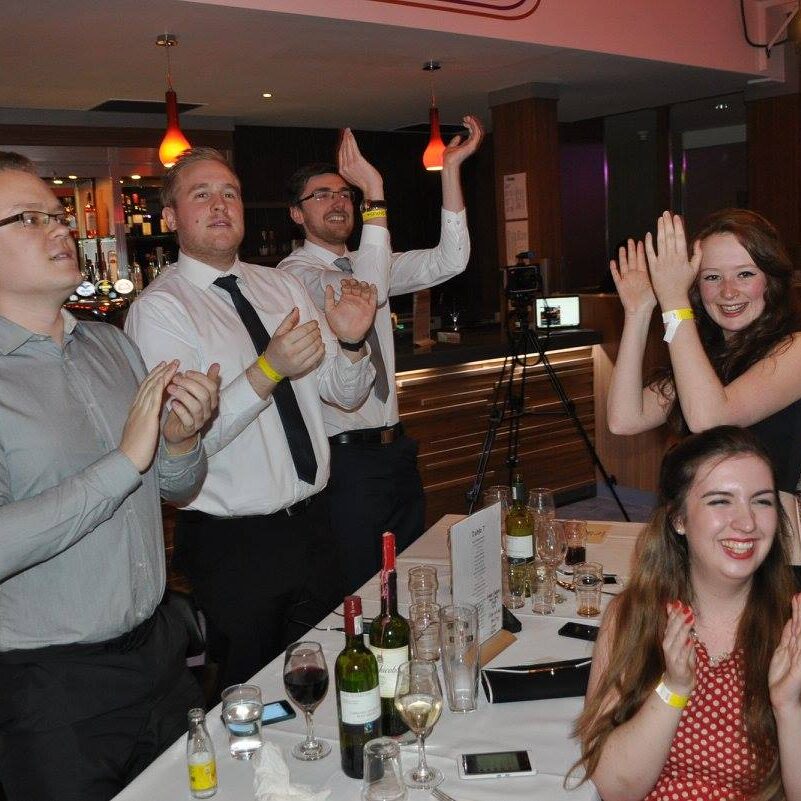
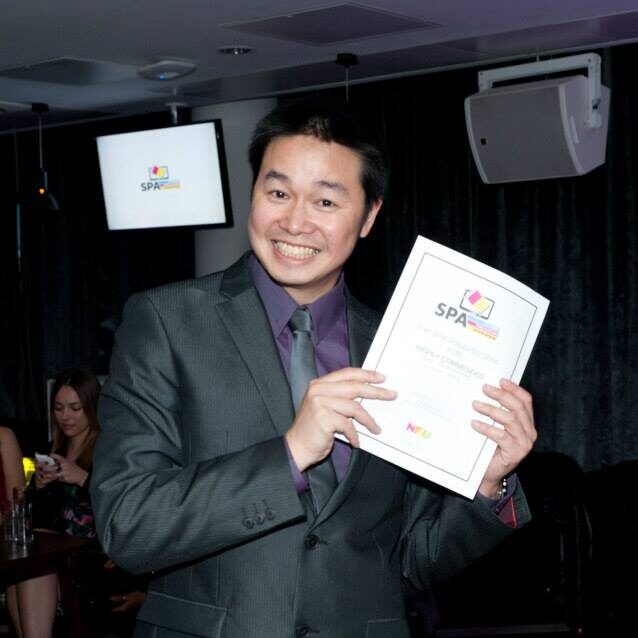
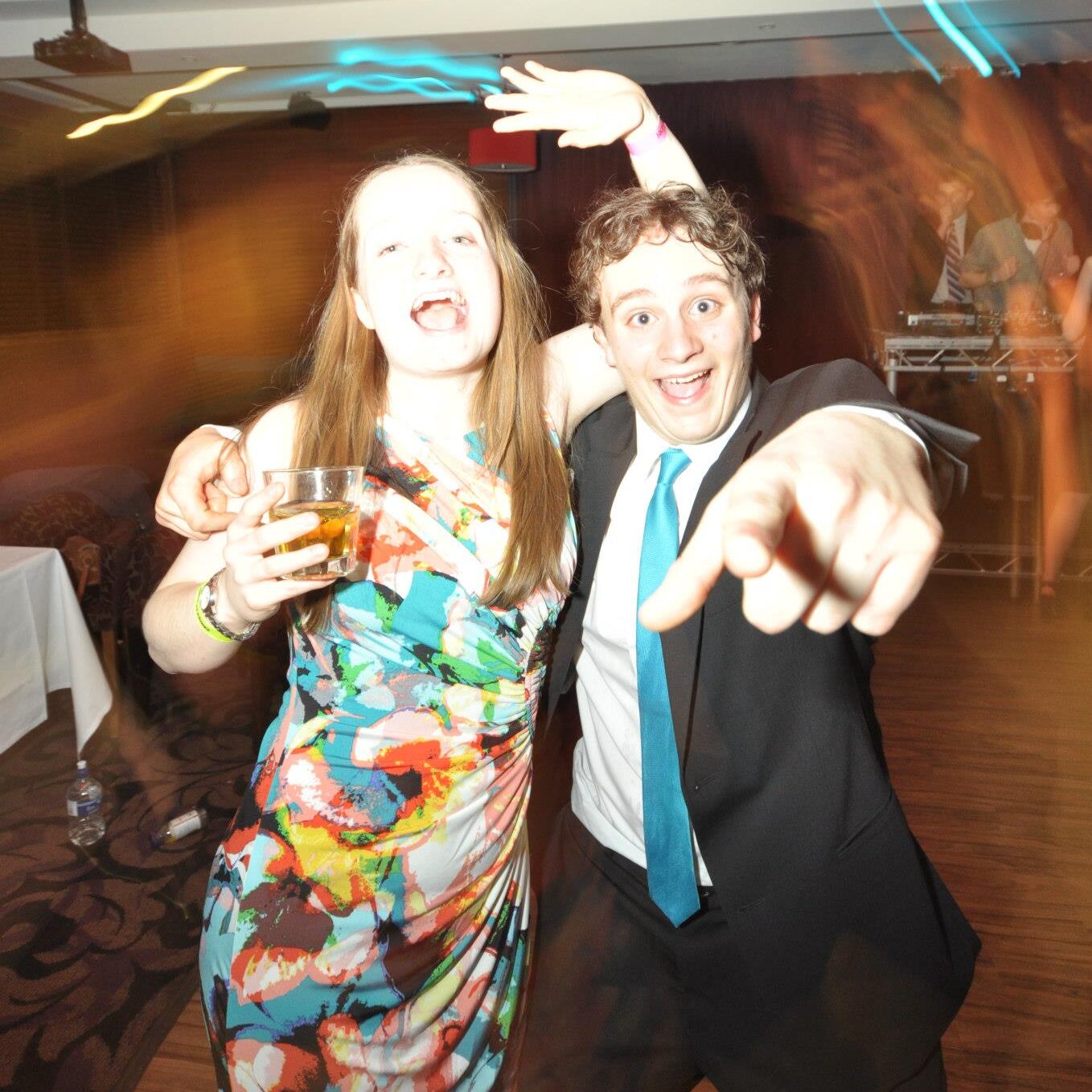

The SPA would love your help to keep supporting the next generation of student journalists.
We are committed to increasing diversity in in the media industry, and every year support students from backgrounds not traditionally represented to attend our conference. But we can only run our events with your kind support, to keep prices either free or as low as possible.
Give a one-off donation here or consider becoming a sponsor. Contact our sponsorship officer here to find out more about the packages available - from small to large, it all helps!