
Apply now and become the SPA’s next trustee

Student journalists report censorship and funding pressures in landmark SPA survey
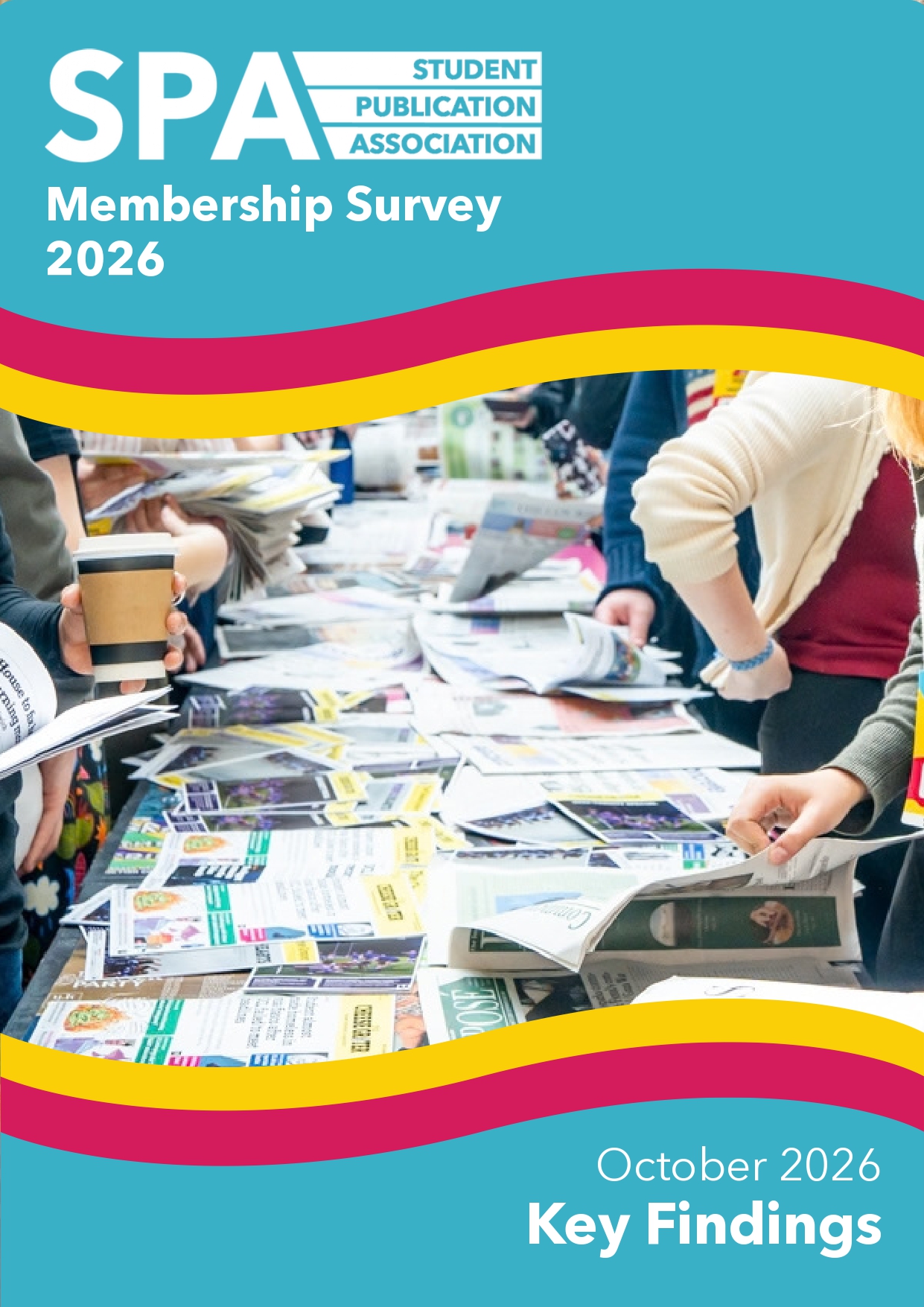
The Student Publication Association’s 2026 Membership Survey has uncovered concerns about editorial independence, institutional interference and the financial pressures facing student media across the UK and Ireland.
More than a quarter (27 per cent) of responding publications said they lacked full editorial independence from their publishers. Seven had no independent editorial oversight, while another 16 said their independence existed only in certain circumstances. Some reported restrictions on criticising their universities and students’ unions.
The survey, the largest ever of SPA members, received responses from 85 publications, representing approximately 30 per cent of the association’s membership.
The research examined how student newspapers and magazines operate, their relationships with publishers, how they are funded and the biggest challenges they face.
The results exposed a wide range of experiences, from publications enjoying considerable freedom and support to those facing interference and restrictions on what they could publish.
One respondent said it was “not allowed to report anything negative about the university”, while another said its students’ union had “the right to take down or edit any content as they see fit”.
Others described requirements for articles to be signed off before publication, delays to print production and restrictions on reporting about sensitive subjects.

Redbrick
Resistance from The Guild has real consequences for our writers. They often feel unable to address important issues, especially when the boundaries of what is considered publishable remain so unclear. Editorial decisions are a guessing game, rather than a clean-cut decision based on media law, which undermines our ability to scrutinise those in power.
The Guild said it had a duty to ensure student group activities complied with the law and that its current officers had a good working relationship with Redbrick’s editors.

Gair Rhydd
In recent years, as Gair Rhydd has returned to its role as a strong watchdog journalist for our students, we have faced several challenges from the Students' Union regarding our material, editorial decisions, and our critique of their work, sometimes from individuals without formal journalism training or experience. Furthermore, beyond the critique of the Students' Union, the Union has pressured Gair Rhydd over its methods of critiquing Cardiff University.
Cardiff Students’ Union said: "An independent Student Media Board considers concerns when they arise within a set framework, rather than exercising day-to-day editorial oversight”.
The university added: “Scrutiny works both ways. We make no apology for seeking to scrutinise, where necessary, to ensure accuracy, balance and to avoid potentially inaccurate and misleading stories.”

The University Times
To us, it represented a breach of trust with the Union regarding our Editorial Independence, and meant we had to actively create new structures to avoid censorious consequences. Student newspapers like the University Times have to actively defend their editorial independence. Part of our role is to fearlessly publish the truth, which means we often have to make hard decisions when we know the truth will upset our peers.
Trinity College Dublin Students' Union did not respond to a request for comment.
One publication described pressure from its publisher to promote the university’s commercial events, while others were concerned that financial dependence could constrain critical reporting.
The survey also highlighted examples of publishers actively protecting press freedom. Some respondents praised the support they received from their students’ unions and universities, including when pursuing difficult stories.
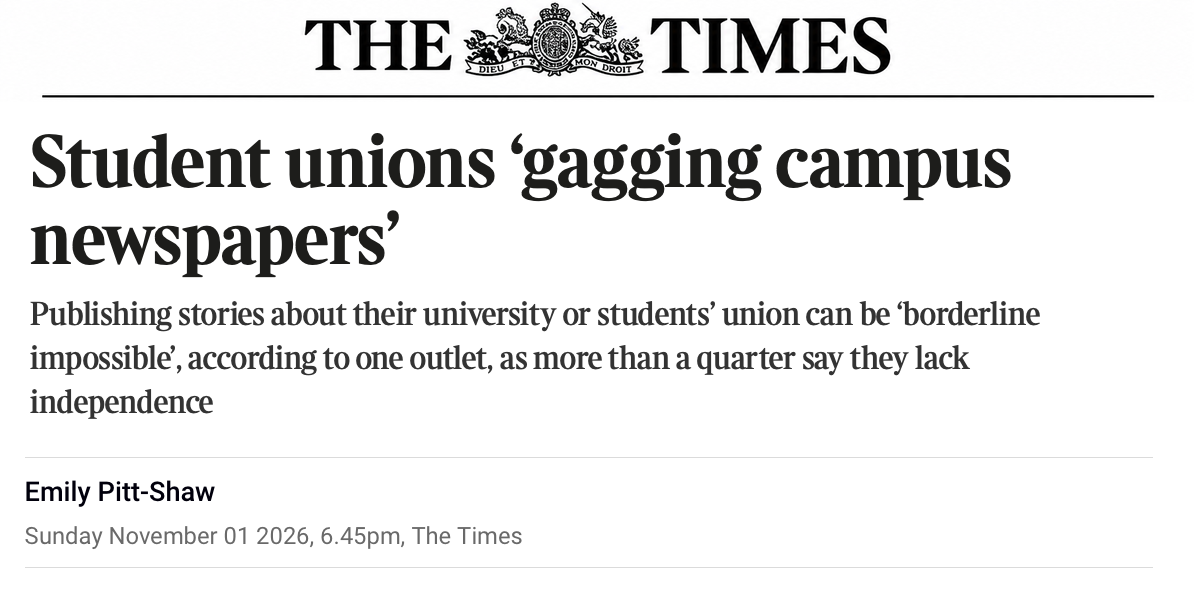
The findings were first reported by The Times, which spoke to student editors, publishers and press freedom organisations about the challenges facing student journalism.
The SPA’s survey ran between 20 June and 20 September 2026 and remains open to member publications. The October report sets out the findings from the initial 85 responding publications.
lacked full editorial independence
reported mixed or negative relationships with publishers
Funding and the future of student media
Financial pressures emerged as the single biggest challenge facing student publications.
Of the respondents identifying their principal challenge, 47 per cent cited funding and finances. Two-thirds of all responding publications relied wholly or partly on funding from their publisher, while 14 said they had experienced funding cuts in recent years.
One publication reported that its funding had fallen from approximately £15,000 in 2023 to £7,000 in 2025. Another said it had lost its students’ union funding entirely and had been forced to crowdfund to remain in publication.
The pressures are also hitting print, with 49 per cent of those commenting on their print output reporting a reduction.
How student journalism is funded
Percentage of the 85 publications receiving funding from each source. Publications could select multiple sources.
Recruitment, diversity and reaching audiences
Beyond editorial freedom and finances, publications raised concerns about recruiting contributors, maintaining engagement and reaching students who may not otherwise consider journalism.
Recruitment, retention and time pressures featured prominently among the challenges identified by respondents. Some editors described the difficulties of balancing their degrees, employment and other commitments with the demands of producing a publication.
The research also examined diversity within student journalism.
80 per cent of those answering the relevant question considered their publication diverse to some degree, although the report noted these assessments were largely based on impressions rather than detailed demographic data.
Publications identified funding, a lack of visibility, time commitments and perceptions of elitism as obstacles to recruiting a more diverse membership.
The survey also highlighted the breadth of student media activity. Respondents included campus newspapers, specialist magazines and digital publications covering subjects from politics and science to arts, culture and identity.
60 per cent said they had collaborated with student television or radio.
What's stopping student publications becoming more diverse?
cited a lack of awareness or visibility
cited funding or resource problems
said student journalism was perceived as elitist, intimidating or cliquey
Defending student journalism
The findings underline the importance of protecting editorial independence while ensuring student publications have the resources, training and support needed to thrive.
The SPA will soon launch a Student Press Freedom Charter to encourage conversations between publications and their publishers.

“There is immense value in the public interest stories reported by student publications, and we know that student journalism has the potential to put forward underrepresented stories, as well as unique access to scrutinise educational institutions. That such institutions may routinely deny students the opportunity to publish this reporting through potentially flawed or misleading applications of media law is a concerning restriction on the fundamental right of the freedom of the press.”
Abbie Brown, SPA training and opportunities officer
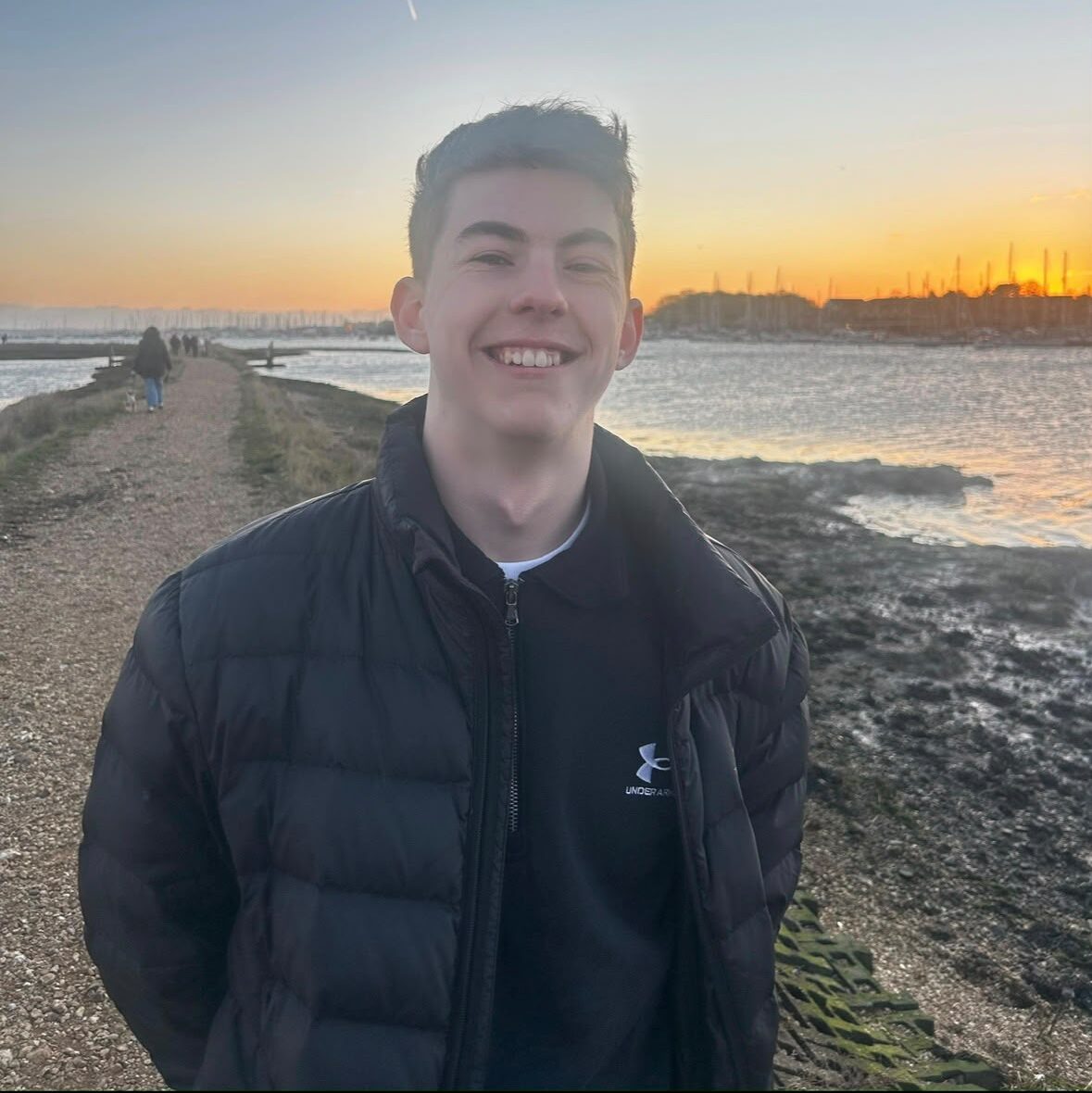
“Student newspapers play a crucial role in campus life. Universities, like all public institutions, must be held to account, and as local journalism cuts staff and coverage, student papers are often left as the only ones to fulfil this crucial role. The findings of the SPA’s membership survey raise serious concerns about the widespread nature of university censorship, especially on serious, public-interest topics such as sexual assault. Student journalists are already facing a funding crisis, and it is unacceptable that what little resources they have left must often be used simply to fight to get their stories out there.”
Callum Martin, SPA advocacy officer